route planning
a holistic approach for planning gravel routes
The best gravel routes do more than connect roads. They tell a story about a place, connect riders to local communities and landscapes, and create positive experiences for both visitors and residents. Thoughtful route planning helps ensure routes remain enjoyable, sustainable, and welcomed for years to come.
Every place has a story or a reason why it is unique and special. The best routes tell that story and provide riders with more information than just a line on a map.
create a compelling narrative
Engage with the communities and businesses along the route, make them privy to the route development process and encourage them to welcome cyclists passing through. Route into and through communities whenever possible to promote patronage of local businesses and provide easy means of resupply and accommodations. Riders are unlikely to want to deviate from the route very much in order to resupply, so it is best to make the route go past resupply locations as much as possible while minimizing traffic on busy roads.
Community engagement
Contact managers of any public lands through which a route passes and make them aware of planning efforts. Early coordination provides an opportunity for feedback and helps identify potential concerns before a route is publicized. Maintaining these relationships after publication can help route developers stay informed about road closures, construction projects, and changing land management priorities.
land manager awareness
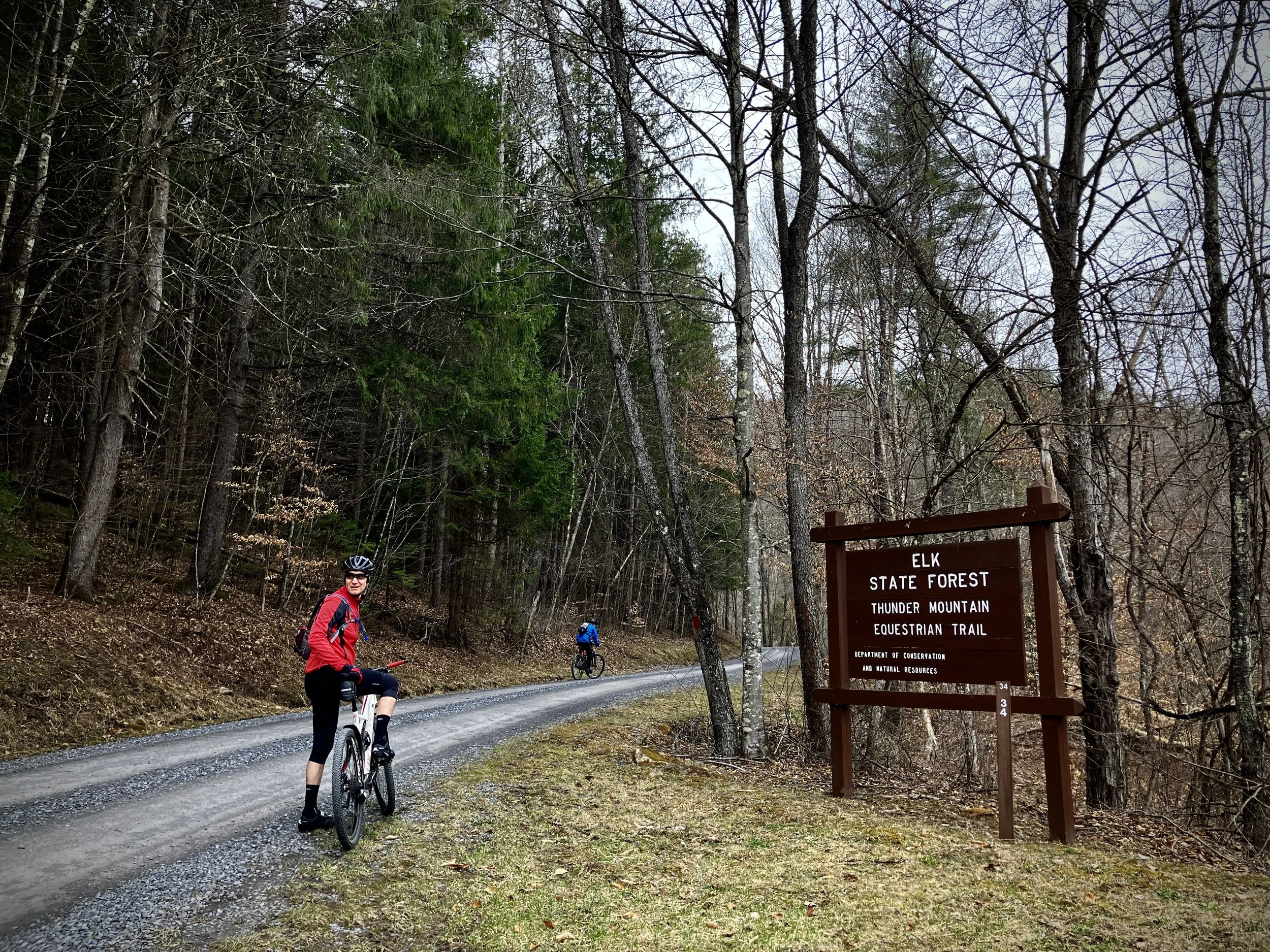
Some roads and trails, such as those that pass through State Game Lands, have seasonal restrictions which may need to be followed and conveyed to the riding public. Other activities, such as camping, may be prohibited in certain Wild or Natural areas of State Forests. Ensure that the route does not encourage or promote such activities and that riders are made aware of any relevant restrictions or regulations along the route.
respect private property and public land regulations
A route should always be ridden in its entirety before publication. Field verification confirms connectivity, surface conditions, legality of access, navigational clarity, and rider safety. Riding the route also provides valuable insight into the route's overall flow, highlights opportunities for improvement, and helps identify issues that may not be apparent from maps or digital data alone.
ground truthing
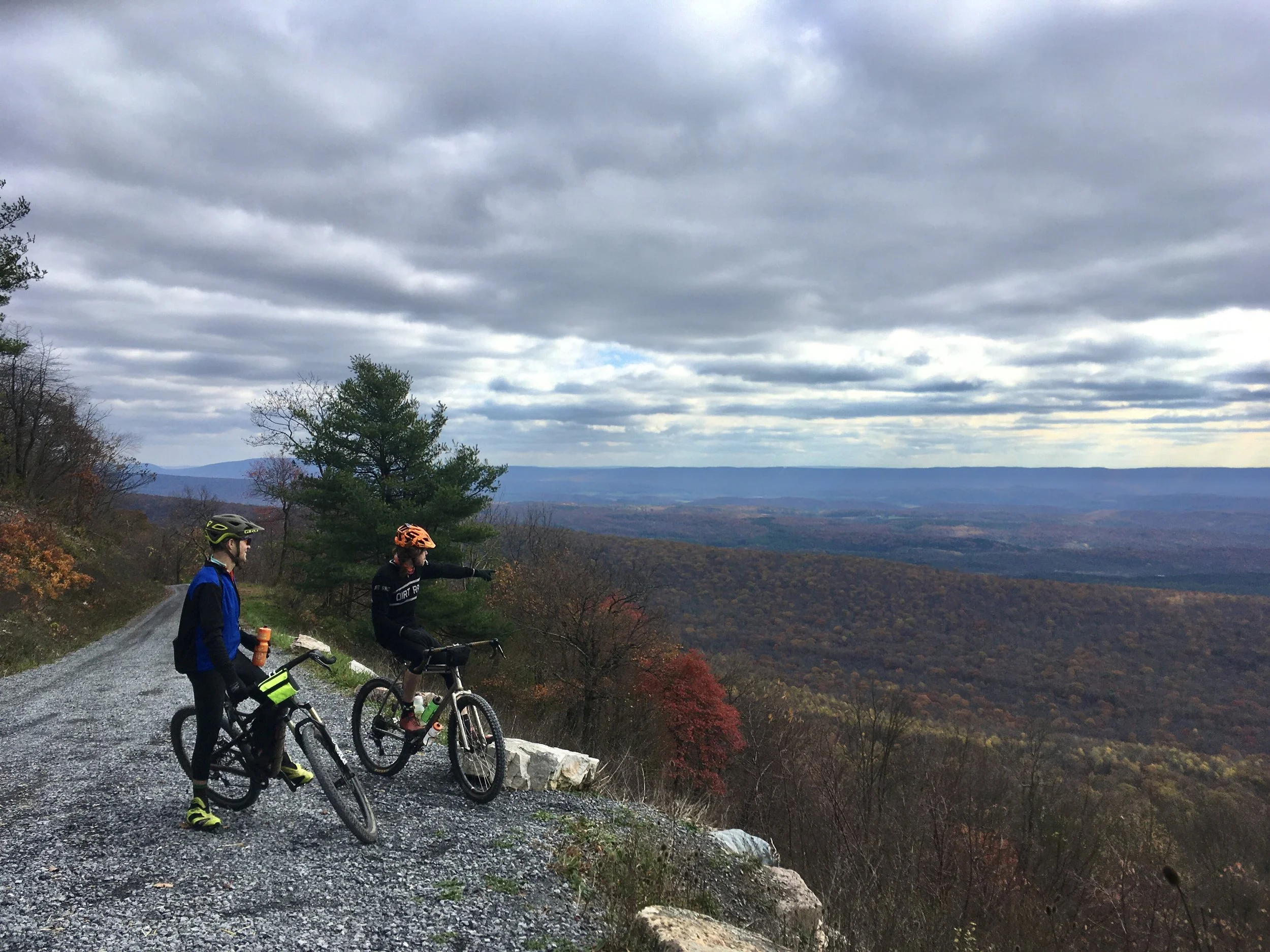
Successful gravel routes balance scenery, surface quality, challenge, and accessibility. Consider traffic volumes, road conditions, resupply opportunities, viewpoints, landmarks, and points of interest. The best routes feel intuitive, memorable, and rewarding from start to finish.
PRIORITIZE RIDER EXPERIENCE