SAFETY AND ETIQUETTE
Good preparation and respectful riding help ensure a safe, positive experience for riders and communities alike.
SAFETY
Plan ahead. Gravel routes often pass through remote areas with limited cell service and few services. Download maps for offline use and carry enough food and water.
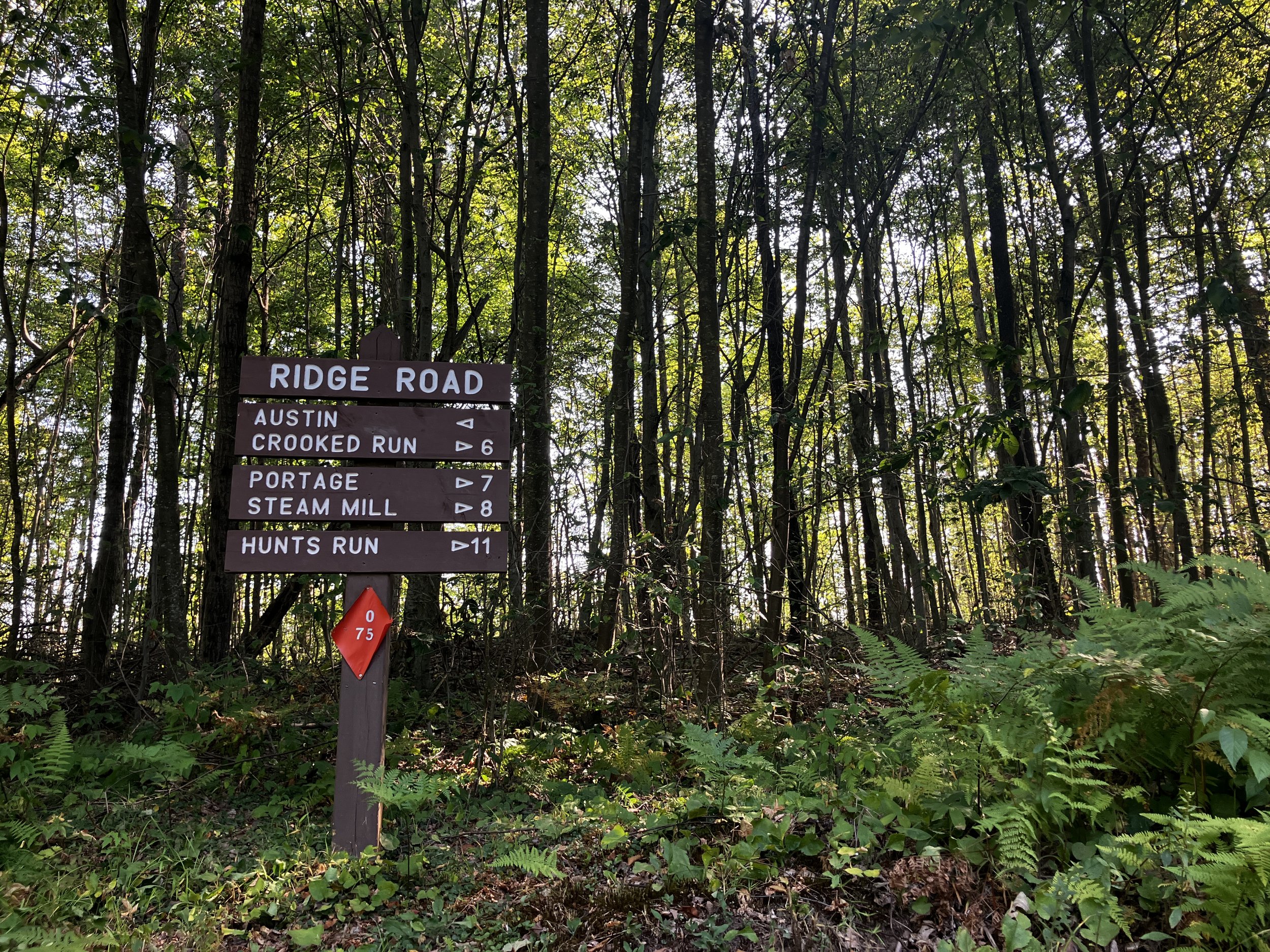
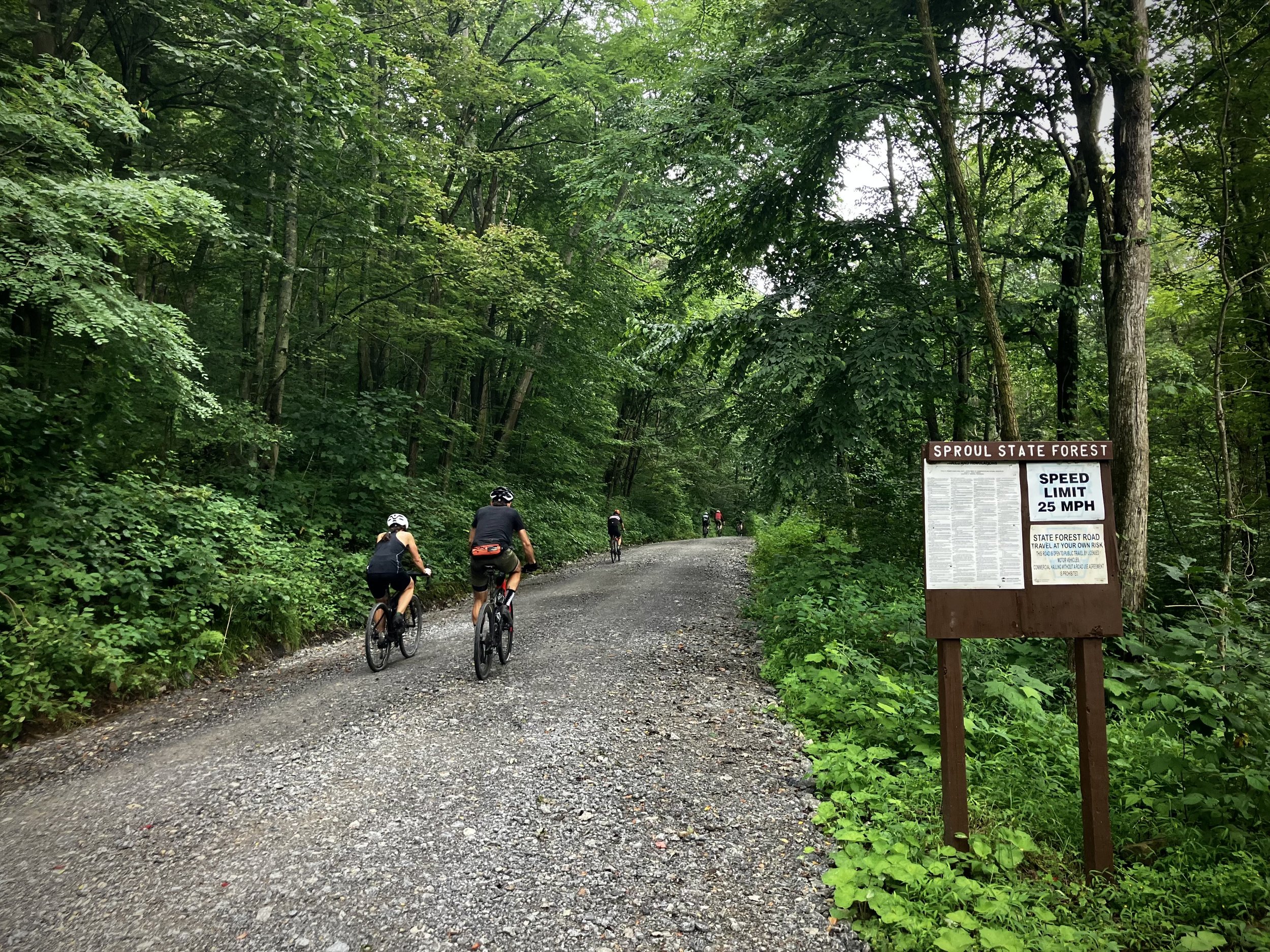
Know the land. Roads may cross state forests, game lands, private timber tracts, or active farms. Obey signage and respect access rules.
Expect changing conditions. Weather, surface quality, and traction can change quickly. Pack layers, rain protection, and ride conservatively in wet conditions.
Be self-sufficient. Carry tools and spares for common gravel issues like punctures, loose bolts, and drivetrain problems.
Share your plans. Let someone know your route and expected return time, especially for longer or more remote rides.
Be visible during hunting season. Wear bright colors and expect increased vehicle traffic on forest and gravel roads.
Etiquette
Share the road. Gravel roads are working roads used by locals, trucks, farm equipment, ATVs, and horses. Ride predictably and yield when appropriate.
Respect residents. Slow down near homes and farms, keep noise to a minimum, and avoid creating excessive dust.
Leave no trace. Pack out all trash and stay on established roads—don’t ride around mud holes or create new lines.
Keep groups small. Smaller groups reduce impact and help maintain positive relationships with landowners and communities.
Honor gates and closures. Leave gates as you find them and never bypass posted closures or barriers.
Be a good ambassador. A friendly wave or brief conversation goes a long way toward protecting access for everyone.