promotion & UPKEEP
getting the right information to riders & MAKING SURE IT STAYS RELEVANT
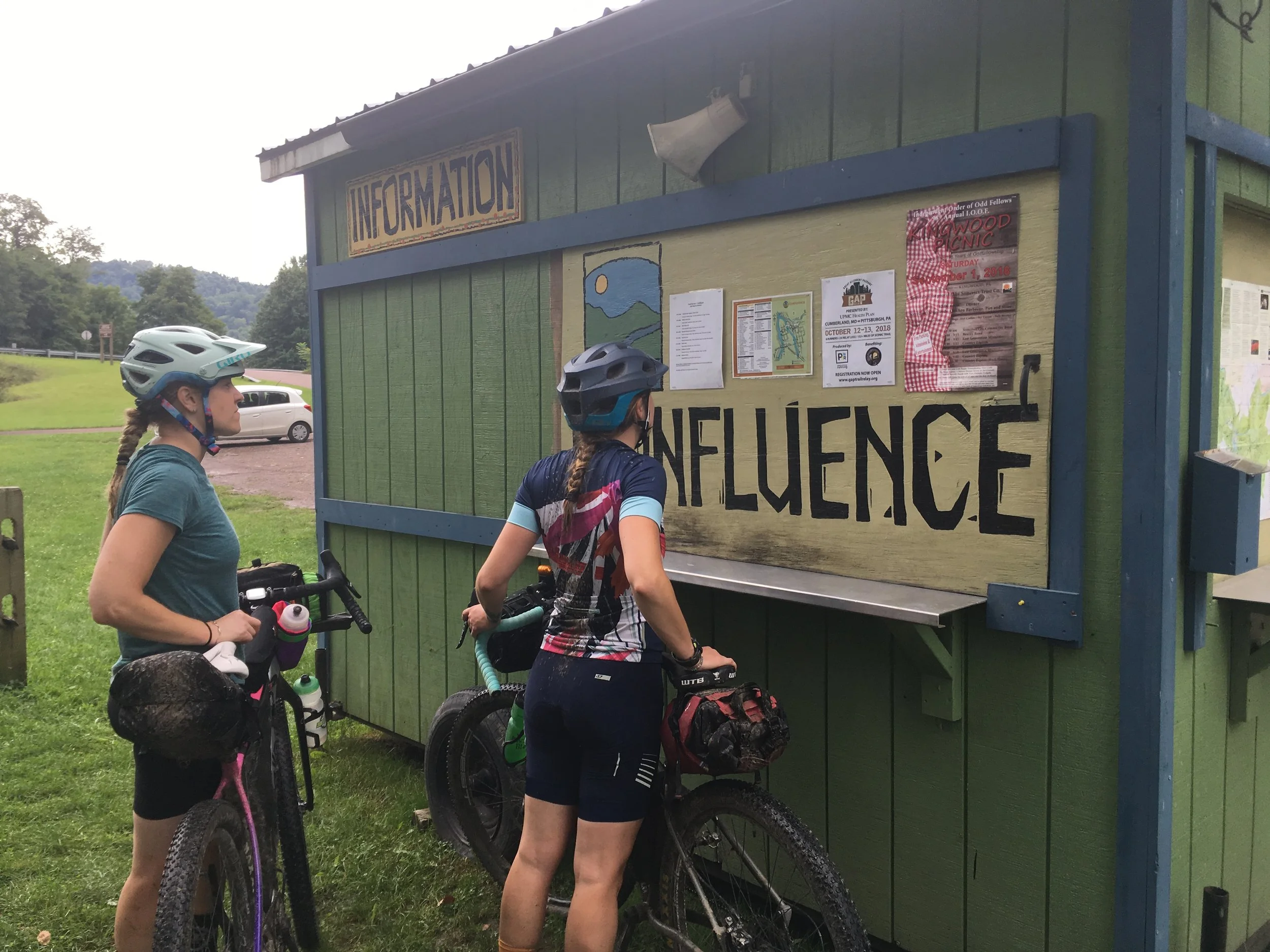
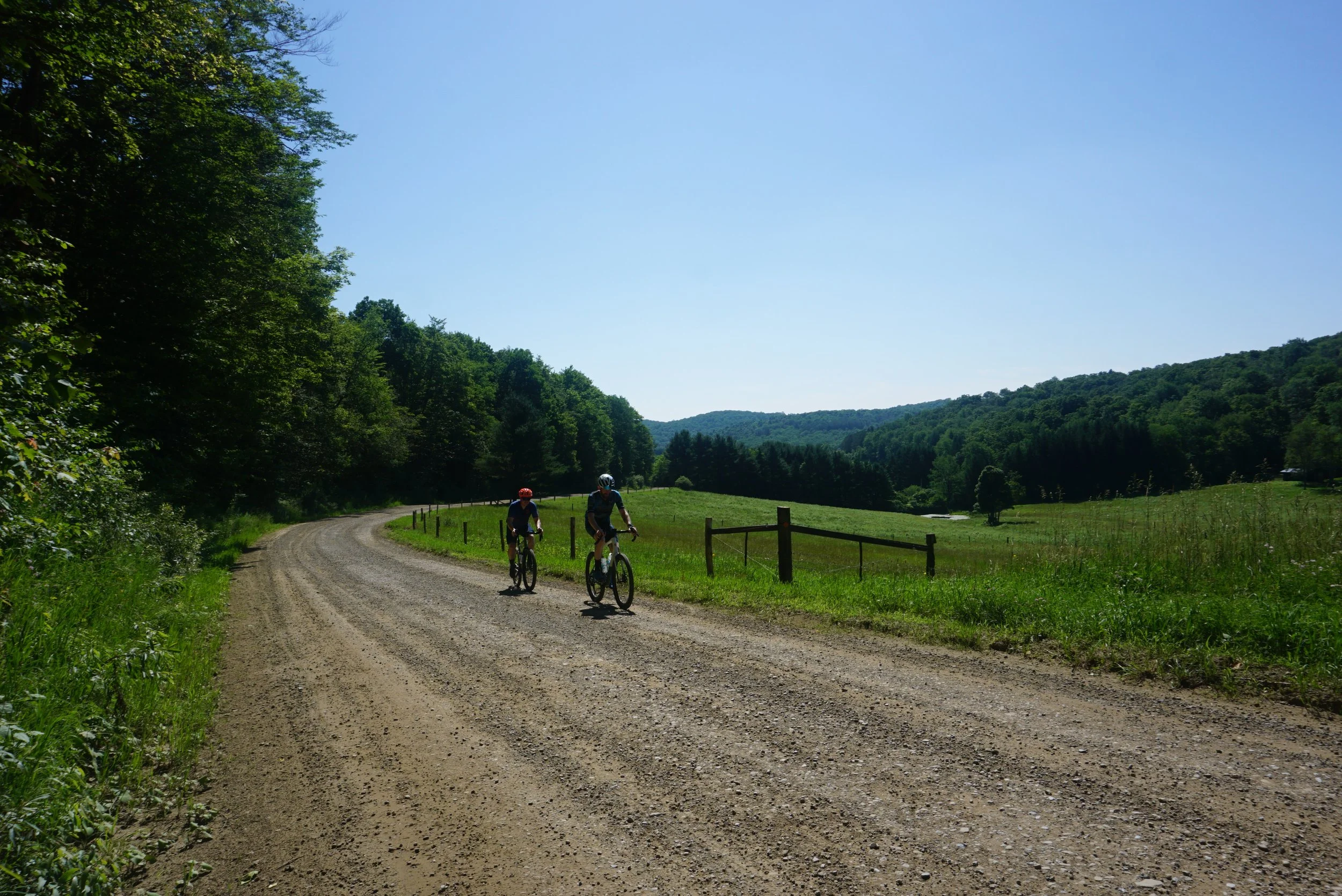
Riders want to know what to expect, from what the surfaces are like (i.e. smooth, maintained gravel or rough jeep track) to where they can get food and water to where is a safe place to park their car for multiple days. The more of this information riders know ahead of time, the safer and more prepared they will feel, and the more likely they will be to come ride the route.
provide practical information
use this checklist to guide the information that you provide:
Provide the route in a mainstream cycling navigation platform (the most popular is Ride with GPS) that allows users to download routes to use on the device of their choosing (phone, GPS, etc).
Describe the route distance, elevation, and surface accurately - in some cases, make bike choice recommendations (for example, minimum tire width recommended).
Identify places to resupply, including where to get water, and any bike shops along the route.
Note any specific points of caution or safety considerations along the route.
Indicate the best time of year for riding the route and what time of year to avoid.
Note any other seasonal restrictions or considerations – i.e. hunting season, especially in Game Lands.
Where to start and safely park vehicles. This is especially important for overnight parking on bikepacking routes.
As things can change on the ground – roads can be temporarily or permanently closed, businesses can shut down, and land can change hands – it is important to have a “route steward” who is responsible for keeping track of and communicating any changes by updating the route information.
If you haven’t already, be sure to check out the Route Essentials page, with our requirements for a high-quality route.
Plan to Deal with Route Upkeep